
Electronic Invoice Archiving: Legal Duration, Obligations and Evidential Value
How long should you keep an electronic invoice? What rules guarantee its evidential value? A comprehensive overview of current legal obligations.
9 min

Signing a document electronically is not enough: you must also be able to prove, in 5, 10 or 20 years, that the signature is authentic and the document unaltered. That is the role of probative electronic archiving — not to be confused with a simple cloud backup. Probative archiving rests on three pillars — integrity, durability and traceability — governed by the NF Z42-013 (AFNOR) and ISO 14641 standards. This guide explains what separates an archive that holds up in court from ordinary storage, the legal retention periods in France, the PAdES B-LTA format, and the new qualified archiving service introduced by eIDAS 2.0.
Probative electronic archiving is the long-term retention of signed digital documents under conditions that guarantee their integrity, legibility and legal enforceability over time. A simple copy on a disk or cloud is not enough: a file can be modified without leaving a trace, its format can become unreadable, and nothing proves the date it was kept. Probative archiving addresses precisely these three risks.
It rests on three inseparable pillars. Integrity: the archived document cannot be altered, and any change is detectable — guaranteed by the cryptographic hash of the file at archiving and the periodic verification of that digest. Durability: the document stays readable for decades, regardless of software changes, which requires standardised formats (PDF/A for content, PAdES B-LTA for the signature) and regular media migration. Traceability: every operation on the archived document (deposit, access, disclosure, destruction) is recorded in a timestamped, tamper-proof event log.
In France, how long a signed document must remain enforceable is set by law according to its nature. Probative archiving only makes sense if it covers that full period — signature included.
Commercial contracts and invoices are kept for 10 years (French Commercial Code, art. L123-22). It is the most common B2B reference period: the signed document must stay verifiable throughout, including the validity of the signing certificate.
A signed employment contract is kept for at least 5 years after the employee leaves; some payroll items run up to 50 years. Paperless HR therefore requires probative archiving able to cover long and heterogeneous horizons.
Tax supporting documents are kept for 6 years (Book of Tax Procedures, art. L102 B). During an audit, the authorities can demand the signed digital originals: non-probative archiving has no enforceable value.
Notarial deeds require 75-year retention (French Notary Code). Over such horizons, only archiving with format migration and timestamp renewal (PAdES B-LTA) keeps the signature verifiable beyond the lifetime of the certificates.
Medical records are kept for 20 years after the last act (French Public Health Code). For health-data hosts, probative archiving also requires HDS certification, which governs the security and confidentiality of the retention.
Four frameworks structure probative electronic archiving in France and Europe. Not all are mandatory, but compliance determines whether the archive is enforceable.
The French reference standard for probative electronic archiving. It defines the technical and organisational measures guaranteeing the integrity, durability and traceability of archived documents. It is the foundation of the AFNOR NF 461 "Electronic archiving system" certification.
The international counterpart of NF Z42-013. It specifies the design and operation requirements of an electronic archiving system guaranteeing the fidelity and integrity of documents throughout their lifecycle, recognised beyond the French framework.
For the public sector and certain regulated activities, approval from the French Interministerial Archives Service (SIAF) or the use of a certified third-party archiver is required. The third-party archiver keeps documents on a client's behalf with a contractual commitment to probative value.
The eIDAS 2.0 regulation introduces a new qualified trust service dedicated to electronic archiving. Qualified archiving benefits from a presumption of reliability and automatic recognition across the European Union — like qualified timestamping or electronic seals before it.
All three keep files, but only one guarantees probative value over time. Here are the six dimensions that set them apart.
| Dimension | Probative archiving | Simple backup | Digital vault |
|---|---|---|---|
| Purpose | Guarantee the legal enforceability of a signed document over time. | Restore data after a failure or loss. No evidentiary purpose. | Store and share documents securely and personally. |
| Guaranteed integrity | Yes — hash at archiving + periodic verification of the digest. | No — a backed-up file can be replaced without a trace. | Partial — encryption and access control, but no enforceable proof of integrity. |
| Retention horizon | 10, 20, 75 years — with format migration and timestamp renewal. | Short to medium term, per the backup retention policy. | As long as the subscription is active, with no format-durability guarantee. |
| Probative value in court | Strong — NF Z42-013 / ISO 14641 compliant, enforceable in disputes. | None — a backup has no standalone evidentiary value. | Variable — depends on the provider's contractual guarantees. |
| Format & durability | PDF/A + PAdES B-LTA, standardised long-term formats. | Original format, liable to become unreadable. | Original format, with no durability constraint. |
| Implementation | Built into the signing platform — no infrastructure to manage. | Low cost, but unsuitable for evidentiary use. | Per-user subscription, geared to individual use. |
The eIDAS 2.0 regulation (Regulation (EU) 2024/1183) introduces a new dedicated trust service: qualified electronic archiving. Article 45f sets the principle — documents archived by a qualified service enjoy a presumption of integrity and origin for the whole retention period. In practice, a signed document archived with a qualified provider no longer has to prove it was not altered: the burden shifts to whoever challenges it.
This presumption applies across the EU and harmonises scattered national practices (NF Z42-013 in France, TR-ESOR in Germany). The implementing acts detailing the technical requirements are expected by 2026-2027; in the meantime, PAdES B-LTA archiving with qualified timestamping remains the recognised best practice for preserving the probative value of a signed document.
How long you must archive depends on the document and the country. A few benchmarks:
On Certyneo, every signed document is timestamped, sealed in PAdES format and archived for 10 years, with no setup. Get started for free.
We use cookies to improve your experience on our site. Cookies strictly necessary for the service to function are always active. Learn more about our cookie policy
How long should you keep an electronic invoice? What rules guarantee its evidential value? A comprehensive overview of current legal obligations.
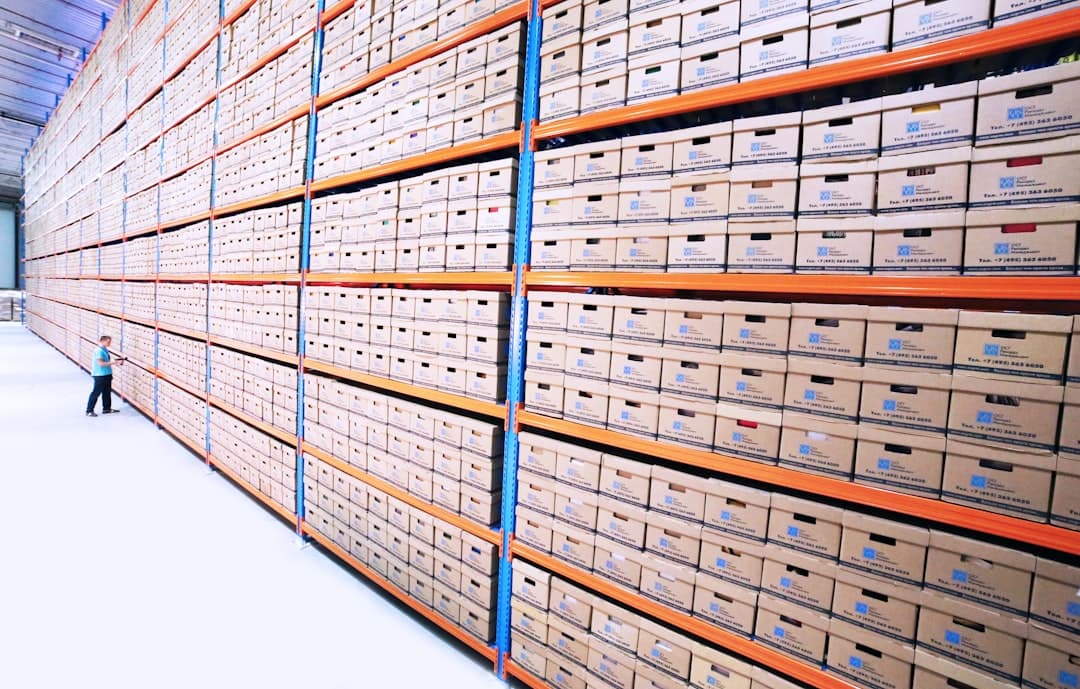
PAdES B-LTA archival signatures embed all cryptographic evidence inside the PDF, keeping electronic signatures legally verifiable for decades under eIDAS, ESIGN, and HIPAA.
The dematerialized pay slip has the same legal value as its paper equivalent, provided that strict retention rules are observed. Discover everything that dematerialization entails for your HR obligations in 2026.

Qualified eIDAS timestamping confers a certain and enforceable date on any electronically signed document. Understanding how it works is essential for any organization seeking to secure its digital evidence.
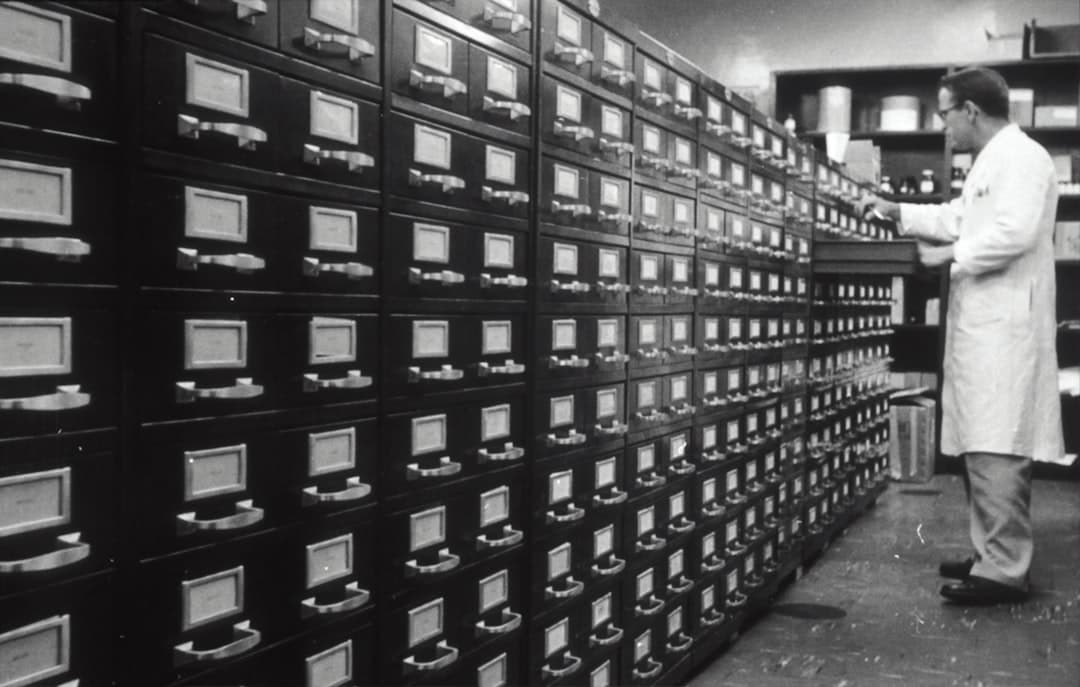
Preserving your electronically signed documents in France is easy! Discover how the eIDAS regulation and GDPR help you store your documents legally. Save time and reduce legal risks with Certyneo.
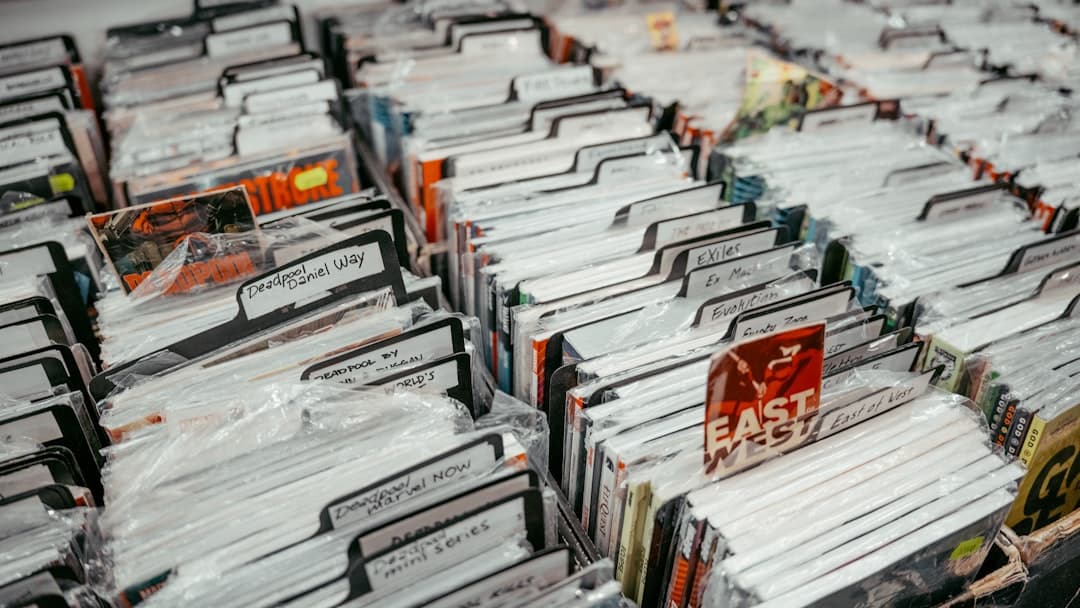
Archiving, integrity, eIDAS compliance: securing your electronically signed documents is both a legal and strategic obligation. Discover 2026 best practices.