
Envoyer un document à signer dans le secteur ingénierie
Dans l'ingénierie et les bureaux d'études, la signature de documents contractuels est quotidienne et stratégique. Découvrez comment fluidifier ce processus tout en garantissant la conformité réglementaire.
Mis à jour le
Rédacteur — Certyneo · À propos de Certyneo

Introduction : la signature électronique au cœur des projets d'ingénierie
Dans le secteur de l'ingénierie et des bureaux d'études (BE), la gestion documentaire représente un défi permanent. Chaque projet génère des dizaines de documents contractuels : ordres de mission, avenants, procès-verbaux de réception, marchés de sous-traitance, conventions de groupement, rapports de validation technique. Envoyer un document à signer dans le secteur ingénierie ne se réduit pas à une simple formalité administrative : c'est un acte juridique structurant dont la traçabilité et la valeur probante conditionnent la bonne exécution du projet. Face à des parties prenantes multiples — maîtres d'ouvrage, maîtres d'œuvre, co-traitants, sous-traitants, assureurs — la signature électronique s'impose comme la réponse la plus efficace et la plus sûre.
Les spécificités documentaires de l'ingénierie et des bureaux d'études
Avant de choisir une solution et un protocole d'envoi, il est indispensable de cartographier les types de documents produits dans un bureau d'études ou une société d'ingénierie. Ces documents n'ont pas tous le même niveau d'enjeu juridique, et ce paramètre détermine directement le niveau de signature électronique à mobiliser.
Les documents à fort enjeu contractuel
Certains actes engagent la responsabilité civile et professionnelle de l'ingénieur ou du bureau d'études sur le long terme :
- Contrats de maîtrise d'œuvre (mission partielle ou complète selon la loi MOP du 12 juillet 1985) : ces documents définissent le périmètre, les honoraires et les obligations de résultat ou de moyens. Un défaut de signature valide peut rendre le contrat inopposable.
- Marchés de sous-traitance : soumis à la loi n°75-1334 du 31 décembre 1975 relative à la sous-traitance, ils imposent un formalisme strict. La signature électronique avancée ou qualifiée est fortement recommandée.
- Procès-verbaux de réception des travaux : leur date et leur authenticité conditionnent le déclenchement des garanties décennales et biennales (articles 1792 et suivants du Code civil).
- Avenants modificatifs : tout avenant mal signé ou non tracé peut générer des litiges sur les modifications de périmètre.
Les documents de coordination de projet
D'autres documents, moins engageants juridiquement mais essentiels à la fluidité opérationnelle, bénéficient également de la signature électronique :
- Comptes rendus de réunions de chantier validés par les parties
- Ordres de service émis par le maître d'œuvre
- Plans d'exécution visés et approuvés
- Fiches de non-conformité et levées de réserves
Pour ces documents, une signature électronique simple ou avancée est généralement suffisante, à condition que la solution choisie offre une piste d'audit fiable.
Choisir le bon niveau de signature selon le document
Le règlement eIDAS (n°910/2014/UE) définit trois niveaux de signature électronique, chacun correspondant à un niveau de sécurité et de valeur probante distinct. Pour les bureaux d'études et sociétés d'ingénierie, ce choix est déterminant.
Signature électronique simple (SES)
Adaptée aux documents internes à faible enjeu : approbations de compte rendu, diffusion de documents techniques pour visa, ordres du jour. Elle repose sur une identification basique du signataire (généralement un lien par e-mail). Sa valeur probante est limitée et insuffisante pour les actes contractuels liant plusieurs personnes morales.
Signature électronique avancée (SEA)
C'est le niveau le plus adapté à la majorité des actes contractuels des bureaux d'études. La SEA garantit l'identité du signataire via un processus d'authentification renforcée (OTP SMS, vérification d'identité documentaire), l'intégrité du document signé et la non-répudiation. Elle est conforme aux exigences de l'article 26 du règlement eIDAS. Pour en savoir plus sur les différences entre niveaux, le règlement eIDAS 2.0 expliqué en détail constitue une lecture indispensable.
Signature électronique qualifiée (SEQ)
Réservée aux actes à très forts enjeux ou aux marchés publics de grande envergure, la SEQ repose sur un certificat qualifié délivré par un prestataire de services de confiance (QTSP) référencé sur la liste de confiance européenne (eIDAS Trust List). Elle offre une présomption légale de validité et équivaut à la signature manuscrite au sens de l'article 1367 du Code civil français.
Pour les ingénieurs intervenant en tant que mandataires sur des marchés publics, la signature électronique en entreprise avec certificat qualifié peut être exigée par les acheteurs publics dans le cadre des procédures dématérialisées.
Le processus pas à pas pour envoyer un document à signer dans l'ingénierie
Mettre en place un flux de signature électronique dans un bureau d'études nécessite de suivre une méthodologie rigoureuse. Voici les étapes clés, applicables que vous traitiez un contrat de MOE ou un avenant de sous-traitance.
Étape 1 — Préparer le document et définir les signataires
La préparation documentaire est la phase la plus critique. Le document doit être finalisé, relu et validé techniquement avant tout envoi en signature. Dans Certyneo, vous téléversez le PDF final et positionnez visuellement les zones de signature pour chaque signataire. La plateforme gère automatiquement l'ordre de signature (séquentiel ou parallèle), ce qui est essentiel dans les groupements de maîtrise d'œuvre où plusieurs cosignataires interviennent.
Identifiez avec précision chaque signataire :
- Nom, prénom, adresse e-mail professionnelle
- Qualité (représentant légal, fondé de pouvoir, directeur de projet)
- Niveau de signature requis selon la nature du document
Étape 2 — Choisir le circuit de signature adapté au projet
Dans l'ingénierie, les projets impliquent souvent des parties prenantes multiples et des validations en chaîne. Certyneo permet de configurer :
- Signature séquentielle : le document est transmis successivement à chaque signataire dans un ordre défini (ex : l'ingénieur responsable signe avant que le document soit transmis au maître d'ouvrage).
- Signature parallèle : tous les signataires reçoivent simultanément l'invitation à signer, ce qui réduit les délais dans les situations urgentes (levée de réserves avant réception).
- Signature mixte : combinaison des deux modes, particulièrement utile pour les marchés de groupement conjoint ou solidaire.
Les modèles de contrats téléchargeables disponibles sur Certyneo incluent des modèles préconfigurés pour les actes courants du secteur BTP-ingénierie.
Étape 3 — Envoyer l'invitation et assurer le suivi
Une fois le circuit configuré, Certyneo envoie automatiquement une notification par e-mail à chaque signataire avec un lien sécurisé vers le document. La plateforme gère :
- Les relances automatiques paramétrables (J+2, J+5, etc.)
- La vérification de l'identité du signataire selon le niveau choisi
- L'horodatage qualifié de chaque signature
- La génération automatique du journal d'audit (log complet des actions)
Le tableau de bord temps réel permet au chef de projet de visualiser instantanément l'état de chaque document : en attente, en cours, signé, refusé. Cette visibilité est particulièrement précieuse lors des phases critiques d'un projet (dépôt de permis, consultation d'entreprises, réception des ouvrages).
Étape 4 — Archiver et intégrer aux outils métier
Une fois tous les signataires ayant apposé leur signature, Certyneo génère le document final avec les signatures intégrées et le certificat de signature joint. Ce document est archivé de manière sécurisée et accessible à tout moment depuis la plateforme.
Pour les bureaux d'études qui utilisent des logiciels de gestion de projet ou des GED (Gestion Électronique de Documents) comme Primavera, MS Project, Procore ou Autodesk Construction Cloud, Certyneo propose des API REST permettant d'intégrer nativement le flux de signature dans l'écosystème existant. Le calculateur ROI de la signature électronique vous permettra d'estimer les gains concrets pour votre structure.
Les erreurs à éviter dans les bureaux d'études et cabinets d'ingénierie
L'adoption de la signature électronique dans le secteur ingénierie révèle des erreurs récurrentes qui peuvent compromettre la valeur juridique des actes ou générer des dysfonctionnements opérationnels.
Sous-estimer le niveau de signature requis
Utiliser une signature simple pour un contrat de maîtrise d'œuvre complet expose le bureau d'études à un risque de contestation en cas de litige. Un co-contractant de mauvaise foi pourrait arguer de l'absence de consentement formellement établi. La règle est simple : plus l'enjeu financier et la durée d'engagement sont élevés, plus le niveau de signature doit être robuste.
Négliger l'identification des représentants légaux
Dans les sociétés d'ingénierie de taille moyenne, le signataire habituel n'est pas toujours le représentant légal. Il est impératif de vérifier que le signataire désigné dispose d'une délégation de pouvoir valide et que cette délégation est documentée. Certyneo permet d'associer un justificatif de pouvoir au dossier de signature.
Oublier la gestion des refus et des litiges
Tout circuit de signature doit prévoir le cas où un signataire refuse de signer ou formule des réserves. La plateforme Certyneo enregistre ces refus avec leur motif dans le journal d'audit, ce qui constitue une preuve documentaire en cas de contentieux ultérieur. Pour les structures qui souhaitent approfondir leur dispositif, le comparatif des solutions de signature électronique détaille les fonctionnalités disponibles sur le marché.
Cadre légal applicable à la signature électronique dans l'ingénierie
La validité juridique de la signature électronique dans le secteur de l'ingénierie repose sur un socle réglementaire européen et national qu'il est indispensable de maîtriser.
Code civil français : articles 1366 et 1367
L'article 1366 du Code civil dispose que « l'écrit électronique a la même force probante que l'écrit sur support papier, sous réserve que puisse être dûment identifiée la personne dont il émane et qu'il soit établi et conservé dans des conditions de nature à en garantir l'intégrité ». L'article 1367 précise que la signature électronique « consiste en l'usage d'un procédé fiable d'identification garantissant son lien avec l'acte auquel elle s'attache » et que, lorsqu'elle est électronique, « la fiabilité de ce procédé est présumée, jusqu'à preuve contraire, lorsque la signature électronique est créée, l'identité du signataire assurée et l'intégrité de l'acte garantie, dans des conditions fixées par décret en Conseil d'État ». Ce décret est le décret n°2017-1416 du 28 septembre 2017, qui réserve cette présomption de fiabilité à la seule signature électronique qualifiée au sens du règlement eIDAS.
Règlement eIDAS n°910/2014/UE
Le règlement européen eIDAS (Electronic IDentification, Authentication and trust Services) constitue le socle principal. Il établit les trois niveaux de signature (simple, avancée, qualifiée), définit les exigences techniques applicables à chacun et impose une reconnaissance mutuelle entre États membres. L'article 25 §2 est particulièrement important : une signature électronique qualifiée a l'effet juridique d'une signature manuscrite. La révision eIDAS 2.0 (règlement UE 2024/1183), applicable depuis 2025, renforce les exigences en matière d'identité numérique et de portabilité transfrontalière, ce qui concerne directement les bureaux d'études travaillant sur des projets d'infrastructure européens.
Normes ETSI applicables
Les normes publiées par l'ETSI (European Telecommunications Standards Institute) précisent les formats techniques de signature reconnues : XAdES (XML Advanced Electronic Signatures, ETSI EN 319 132), PAdES (PDF Advanced Electronic Signatures, ETSI EN 319 142) et CAdES (ETSI EN 319 122). Pour les documents d'ingénierie au format PDF, le format PAdES-B est le plus adapté et le plus couramment accepté par les acheteurs publics et privés.
Loi MOP et marchés de maîtrise d'œuvre
La loi n°85-704 du 12 juillet 1985 relative à la maîtrise d'ouvrage publique (loi MOP) encadre les contrats de maîtrise d'œuvre pour les ouvrages publics. Dans ce contexte, les marchés dématérialisés sont obligatoires au-delà de certains seuils (depuis 2018, tous les marchés publics supérieurs à 40 000 € HT doivent être passés par voie électronique en application du Code de la commande publique, article R.2132-1). La signature électronique qualifiée peut être exigée par l'acheteur public dans les pièces de marché.
RGPD et protection des données des signataires
Le traitement des données personnelles des signataires (nom, prénom, e-mail, données d'identité pour la SEA/SEQ) est soumis au règlement RGPD n°2016/679. La plateforme Certyneo agit en qualité de sous-traitant au sens de l'article 28 du RGPD et dispose d'un DPA (Data Processing Agreement) conforme. Les données des signataires sont hébergées dans des datacenters situés en Union Européenne, garantissant la conformité au principe de localisation des données.
Scénarios d'usage dans les bureaux d'études et sociétés d'ingénierie
Scénario 1 — Un bureau d'études en ingénierie du bâtiment gérant 150 contrats par an
Un bureau d'études pluridisciplinaire d'une quinzaine d'ingénieurs, spécialisé en structure, fluides et thermique pour des maîtres d'ouvrage privés et publics, produisait chaque année environ 150 contrats et avenants. Le processus traditionnel — impression, envoi postal ou scan/e-mail — générait des délais moyens de signature de 8 à 14 jours ouvrés par acte, avec des coûts d'affranchissement et de gestion administrative estimés à plusieurs milliers d'euros annuels.
Après déploiement d'une solution de signature électronique avancée avec circuits séquentiels configurés par type de projet, le délai moyen de signature est tombé à moins de 48 heures. Le bureau d'études a réduit ses coûts administratifs liés à la gestion documentaire d'environ 60 %, selon des fourchettes cohérentes avec les rapports sectoriels de l'AFNOR sur la dématérialisation dans les PME de services (2024). La traçabilité des avenants a été intégralement restaurée, éliminant les litiges sur la version de référence des contrats.
Scénario 2 — Un groupement de maîtrise d'œuvre sur un marché public d'infrastructure
Trois sociétés d'ingénierie associées dans un groupement conjoint pour la maîtrise d'œuvre d'un projet d'infrastructure de transport (budget MOE supérieur à 2 M€) devaient cosigner l'acte d'engagement du marché public ainsi que les conventions de groupement entre co-traitants. La maîtrise d'ouvrage exigeait une signature électronique avancée compatible avec la plateforme de dématérialisation des marchés publics.
En utilisant Certyneo avec un circuit de signature parallèle pour les trois représentants légaux du groupement, suivi d'une validation séquentielle par le mandataire, l'ensemble du processus de signature des pièces contractuelles (acte d'engagement, convention de groupement, CCAP et CCTP signés pour accord) a été finalisé en moins de 72 heures, contre 15 à 20 jours en format papier lors des marchés précédents. Le journal d'audit fourni a été accepté sans réserve par le service juridique de la maîtrise d'ouvrage publique.
Scénario 3 — Un cabinet d'ingénierie-conseil gérant des projets industriels internationaux
Un cabinet d'ingénierie-conseil d'une quarantaine de collaborateurs, intervenant sur des projets industriels en France et dans plusieurs pays de l'Union Européenne, devait faire signer des ordres de mission et des contrats-cadres à des interlocuteurs basés en Allemagne, en Belgique et aux Pays-Bas. La multiplicité des fuseaux horaires et des contraintes organisationnelles rendait les échanges papier chronophages et sources d'erreurs (versions multiples en circulation simultanée).
Grâce à la reconnaissance mutuelle des signatures conformes au règlement eIDAS dans tous les États membres de l'UE, les documents signés via Certyneo ont été acceptés sans contestation par les co-contractants européens. Le cabinet a réduit de 75 % le temps consacré par ses chargés d'affaires à la relance des signataires, libérant ainsi du temps ingénieur pour les missions à valeur ajoutée. La centralisation de tous les contrats actifs dans un espace documentaire unique a également facilité les audits internes annuels.
Questions fréquentes
Quel niveau de signature pour un contrat de maîtrise d'œuvre ?
Le niveau avancé, au sens de l'article 26 du règlement européen : identification renforcée du signataire, lien univoque avec l'acte et détection de toute altération ultérieure. La signature simple convient aux comptes rendus et aux visas internes, pas à un acte qui lie deux personnes morales sur plusieurs années. Le critère est l'enjeu financier et la durée de l'engagement, pas le volume de documents à traiter.
La signature qualifiée est-elle obligatoire sur un marché public ?
Pas par principe. L'acheteur public peut l'exiger dans les pièces de la consultation, et c'est ce document — pas une règle générale — qui fait foi. Il faut donc lire le règlement de consultation avant de préparer les signatures, car un certificat qualifié se commande à l'avance et ne s'improvise pas la veille de la remise des plis. L'article 25 du règlement lui donne l'effet d'une signature manuscrite.
Comment faire signer un groupement de maîtrise d'œuvre ?
En distinguant deux temps : les représentants des co-traitants signent en parallèle, puis le mandataire valide en dernier. Le point de vigilance n'est pas technique mais juridique — vérifier que chaque signataire désigné détient une délégation de pouvoir valide, et joindre ce justificatif au dossier. Une signature apposée par une personne sans pouvoir fragilise l'acte, quel que soit le niveau retenu.
Que faire si un signataire refuse ou émet des réserves ?
Le circuit doit prévoir ce cas dès sa conception. Un refus motivé consigné dans le journal d'audit, avec son horodatage, constitue une pièce probatoire : il établit que le document a bien été présenté, à qui, et pourquoi la signature n'a pas été apposée. C'est souvent plus utile en contentieux qu'une signature obtenue de force après plusieurs relances.
Un document signé en France est-il valable auprès d'un partenaire européen ?
Oui. Le règlement pose la reconnaissance mutuelle et interdit de refuser un effet juridique à une signature au seul motif qu'elle est électronique. Deux conditions pratiques toutefois : produire la signature dans un format normalisé — PAdES pour les PDF — afin qu'un tiers puisse la vérifier avec des outils standards, et conserver les éléments de validation, sans quoi le contrôle échouera une fois le certificat expiré.
Conclusion
Envoyer un document à signer dans le secteur ingénierie et les bureaux d'études n'est pas une démarche uniforme : elle exige une analyse préalable du type de document, du niveau de signature juridiquement adapté et du circuit de validation correspondant aux parties prenantes du projet. Bien mise en œuvre, la signature électronique transforme un processus traditionnellement lent et risqué en flux fluide, tracé et conforme aux exigences du règlement eIDAS et du Code civil français.
Certyneo a été conçu pour répondre aux exigences spécifiques des structures d'ingénierie : circuits multi-signataires, niveaux de signature configurables, intégration API avec les outils de gestion de projet et archivage sécurisé avec journal d'audit. Que vous soyez un bureau d'études de 5 ingénieurs ou une société d'ingénierie de 200 collaborateurs, la plateforme s'adapte à votre volume et à vos contraintes sectorielles.
Prenez 5 minutes pour démarrer gratuitement sur Certyneo et envoyez vos premiers documents à signer en quelques clics, en toute conformité.
Essayez Certyneo gratuitement
Envoyez votre première enveloppe de signature en moins de 5 minutes. 5 enveloppes pendant 14 jours, puis 2/mois, sans carte bancaire.
Approfondir le sujet
Articles de référence autour de ce sujet.
Approfondir le sujet
Nos guides complets pour maîtriser la signature électronique.
Continuez votre lecture sur Tutoriels
Approfondissez vos connaissances avec ces articles en lien avec le sujet.
Espace client signataire dans le secteur public : guide pratique
Collectivités, administrations : la mise en place d'un espace client signataire dématérialisé est désormais incontournable. Découvrez le guide complet pour y parvenir en conformité.
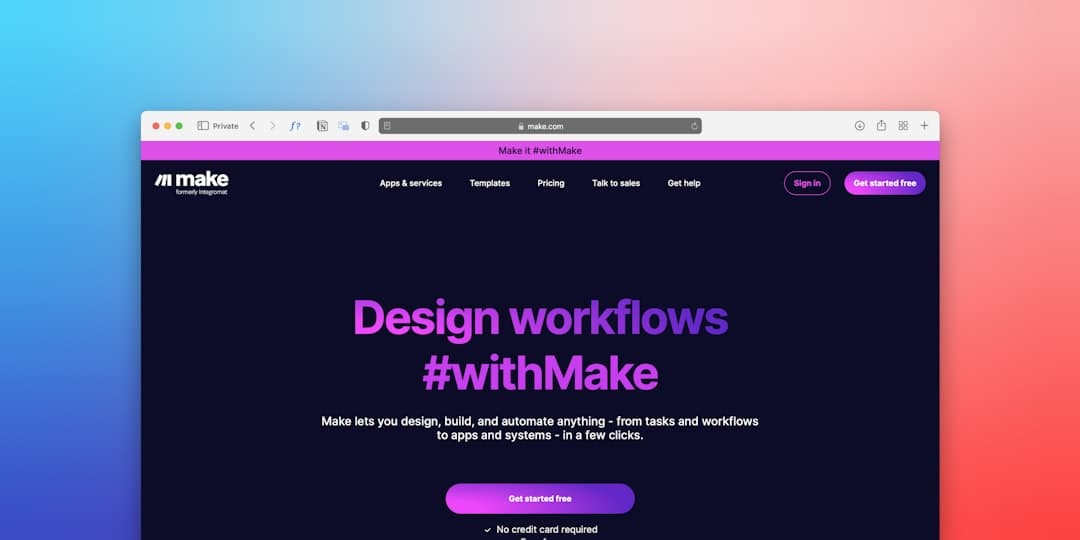
Certyneo et Make : automatiser la signature en ingénierie
L'automatisation des workflows de signature électronique via Make (Integromat) transforme les processus documentaires en ingénierie. Découvrez comment intégrer Certyneo en quelques étapes.
Authentification deux facteurs : guide pour la comptabilité
La sécurisation des accès est un enjeu critique pour les cabinets comptables. Découvrez comment mettre en place l'authentification à deux facteurs pour protéger vos données clients et respecter vos obligations réglementaires.