
Tutoriels
Complete Payroll Management in the Company: 2026 Guide
Payroll management involves major legal, tax, and HR challenges. Discover the best practices for 2026 to structure your payroll and compliance processes.
·9 min read

Practical guides, eIDAS 2026 updates, and industry use cases to adopt electronic signatures in compliance.
The Certyneo blog publishes practical analyses weekly on electronic signature for HR, legal, sales and finance teams. We break down the eIDAS regulation and its application in France, compare leading market solutions (DocuSign, Yousign, Adobe Sign), share anonymized experience feedback by sector (law firms, real estate agencies, accounting firms), and publish step-by-step guides for migrating or complying with GDPR. All articles cite their regulatory and technical sources and are reviewed by our legal team before publication.
Our guides to master electronic signatures.
eIDAS guides, best practices, and Certyneo updates — once a month.
Six thematic clusters to browse our content by business interest.
European regulation, SES/AES/QES levels, qualified service providers, legal value before French courts.
Employment contracts, amendments, final settlements, termination agreements, eIDAS AES for employment dispute documents.
Certyneo versus DocuSign, Yousign and Adobe Sign: pricing, hosting, GDPR compliance and support quality.
Sales mandates, residential and commercial leases, property condition reports, preliminary contracts and multi-party signature with initials.
Per-envelope versus per-user pricing, ROI calculator, SMS quota optimization for advanced signature.
Sovereign hosting, Cloud Act, DPA, TLS 1.3 + AES-256 encryption, 10-year legal archiving and ISO 19005 compliance.
Payroll management involves major legal, tax, and HR challenges. Discover the best practices for 2026 to structure your payroll and compliance processes.
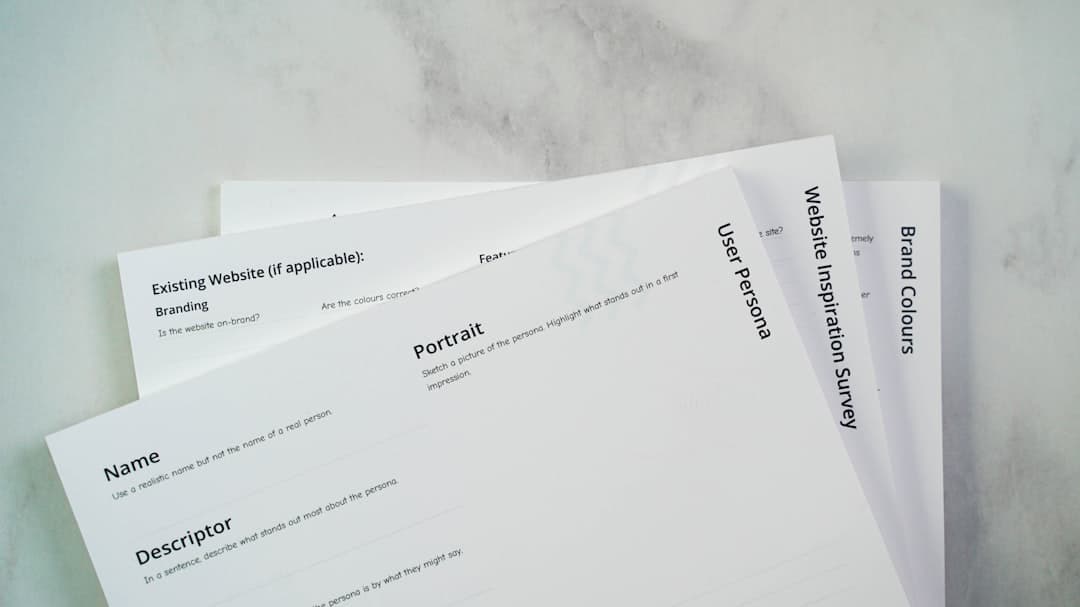
An optimal recruitment process reduces time-to-hire and secures each contractual step. Discover the best HR practices for 2026.

A structured and digitalized recruitment process reduces hiring timelines and improves candidate experience. Discover all key steps and essential tools.
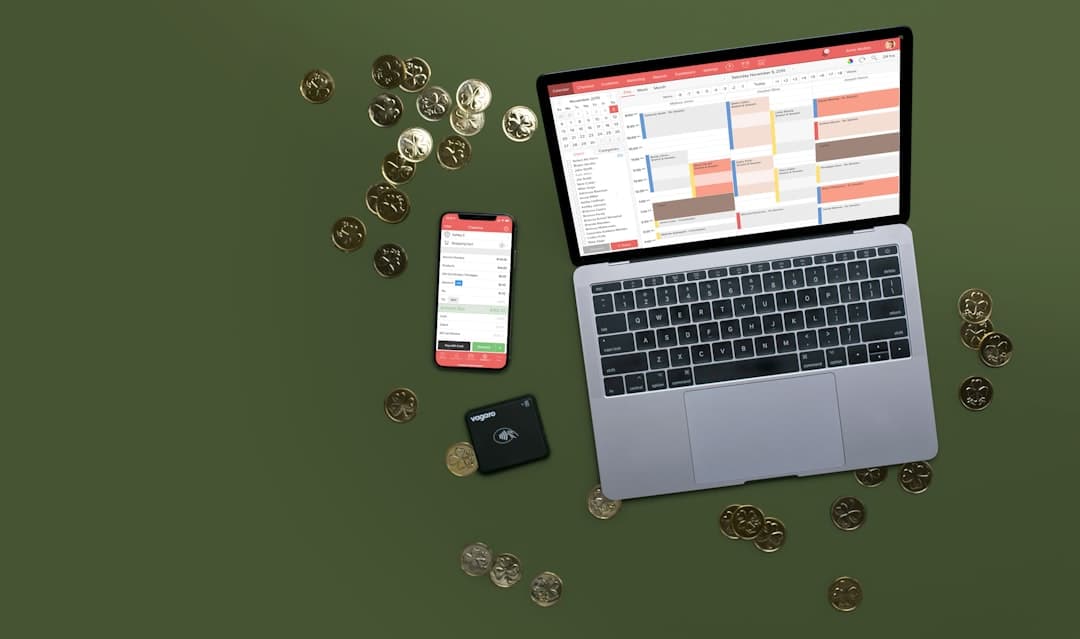
Payroll management is undergoing significant changes in 2026 with new legal obligations, digitalization, and electronic signature. Discover all the keys to compliant and efficient payroll.

2025 was a pivotal year for electronic signatures: eIDAS 2.0, generative AI, and advanced biometrics have redefined standards. Discover the complete overview and 2026 perspectives.
From paperless payslips to electronic signature of HR documents, discover all the steps for compliant and effective salary management in 2026.

How to sign a document from your iPhone or Android in 2026? Recommended apps, UX, security and use cases for mobile signing.

How can you ensure that an SME complies with the eIDAS regulation in 2026? 12-point checklist: signature levels, service provider, archiving, GDPR.

How to securely electronically sign a contract with legal security? Legal value, practical steps, common pitfalls and recommendations 2026.

Which free electronic signature software to choose in 2026? Comparison of Certyneo, Yousign, Adobe, DocuSign Free with limitations and best practices.

What is the best electronic signature solution in 2026? Objective comparison of DocuSign, Yousign, Certyneo, Oodrive with criteria and use cases.

A structured recruitment process helps reduce hiring timelines and improve candidate experience. Discover all the key steps and how electronic signature optimizes them.
One long-form article per business day (five per week), between 1,200 and 2,500 words, plus short news updates during major regulatory announcements (eIDAS updates, CJEU case law, CNIL opinions). The target pace is 100 to 130 articles published per quarter, covering all search intents flagged by HR, legal, and sales teams.
Original content is published in French, then translated into our 82 interface languages (English, German, Spanish, Italian, Portuguese, Dutch, Polish, Nordic, Slavic, Balkan, APAC, MENA). hreflang tags are emitted for the 48 routable locales, and each article keeps its identity (Strapi `document_id`) across languages.
Every article touching on the legal value of signature, the eIDAS regulation, GDPR or a sector-specific obligation is reviewed by our legal team before publication and cites its sources: Official Journal of the European Union, French Civil Code, CNIL opinions, CJEU decisions, and ANSSI texts where applicable.
Yes. The blog offers a filter by category (eIDAS, HR, legal, real estate, comparisons, pricing, GDPR) accessible from the blog homepage. You can also browse our thematic clusters above, which group together content related to the same business topic.
Three channels available: (1) subscription to the monthly newsletter via the form at the top of the page (summary of the best articles of the month); (2) public RSS feed at `/fr/blog/rss.xml` for RSS readers Feedly, NetNewsWire, etc.; (3) Certyneo LinkedIn account which relays major publications in real time.
Yes, with attribution. Articles can be freely cited (up to 300 words or 15% of the article, whichever is more restrictive) with a backlink to the original article. For full republication, contact press@certyneo.com — we grant free licenses to media and sector blogs covering electronic signature.
We use cookies to improve your experience on our site. Cookies strictly necessary for the service to function are always active. Learn more about our cookie policy