
Business Document Digitalization
Approach, steps, ROI: how to digitalize your company's documents beyond signature.
Certyneo Team
Writer — Certyneo · About Certyneo
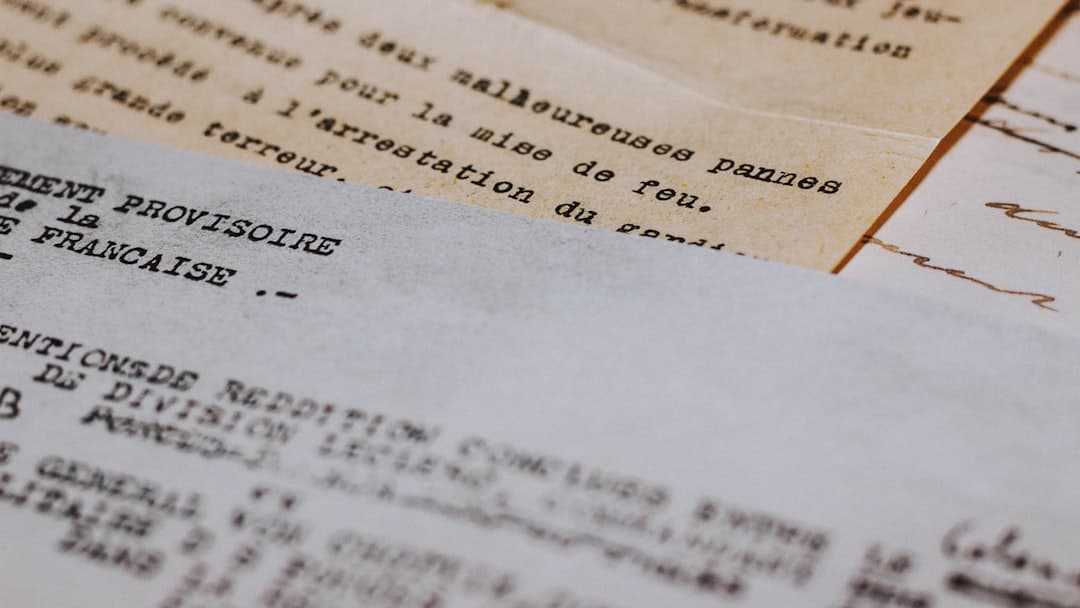
Digitalization: beyond signature
Digitalization refers to the complete replacement of paper documents and processes with their digital equivalents. It encompasses digitizing existing archives, creating documents natively in electronic form, signing, and archiving with probative value.
Electronic signature is often the entry point, but digitalization goes far beyond.
Typical scope
- commercial workflows: quotations, purchase orders, contracts, invoices
- HR workflows: contracts, amendments, pay stubs, leave notices
- procurement workflows: requests, orders, supplier invoices
- financial workflows: mandates, transfer orders
- internal document workflows: memos, procedures
The 4 steps of a digitalization project
1. Map paper workflows
List all documents your company issues or receives, their volume, the parties involved, and their lifecycle.
2. Prioritize by ROI
Start with high-volume, high-friction workflows: sales, HR, procurement as a priority.
3. Choose your tools
- ECM (Electronic Content Management) for organization
- electronic invoicing (progressively mandatory)
- archiving with probative value
4. Roll out gradually
Pilot each workflow separately: testing, training, rollout, ROI measurement.
Electronic invoicing: the obligation
Since 2024, electronic invoicing is progressively becoming mandatory in B2B in France. Timeline:
- large companies and mid-market: 2026
- SMEs and micro-enterprises: 2027
Anticipate this deadline by digitalizing your invoicing workflows now.
Measurable benefits
- Time savings: 30-50% on administrative processes
- Cost reduction: 50-80% on paper workflows
- Traceability: every document timestamped and traceable
- Compliance: automatic legal archiving
- CSR: reduced carbon footprint
Retention obligations
Even when digitalized, documents must be retained according to legal periods:
- 10 years for commercial contracts
- 6 years for tax documents
- 5 years for employment contracts after termination
See retention of signed documents.
Common mistakes
- Trying to digitalize everything at once
- Failing to train teams
- Choosing tools that don't integrate
- Forgetting archiving with probative value
- Scanning without OCR (documents not retrievable)
Case study: industrial SME
A 120-person SME with 50 years of paper archives digitalized in 18 months:
- months 1-3: electronic signature (HR + commercial contracts)
- months 4-6: customer invoicing digitalization
- months 7-12: ECM and internal workflows
- months 13-18: digitizing historical archives
Result: 200 m² of archive space freed up, 2 FTEs redeployed, 2027 tax compliance anticipated.
How Certyneo helps you
Certyneo natively covers the "electronic signature + archiving with probative value" component of any digitalization project. Integrations with common ECM systems (GoogleDrive, SharePoint, OneDrive, Dropbox), API for complex automations.
Discover the Certyneo electronic signature solution
FAQ
Is electronic invoicing mandatory?
Yes, progressively from 2026 (large companies) to 2027 (micro-enterprises/SMEs).
Do I need to scan all paper archives?
No, prioritize active documents (last 10 years). The rest can be physically archived.
What cost for an SME?
Variable depending on scope: €5,000 to €50,000 for a complete project.
Expected ROI?
Generally 1 to 2 years.
Risk of losing documents?
No if archiving is with probative value and redundant.
Conclusion
Digitalization is a structuring transformation project. Start with signature (quick gain), then expand. ROI is measurable from the first months.
Try Certyneo to send, sign and track your documents online simply, quickly and securely.
Try Certyneo for Free
Send your first signature envelope in less than 5 minutes. 5 envelopes/mo for 14 days, then 2/mo, no credit card required.
Dive Deeper
Reference articles on this topic.
Dive Deeper
Our comprehensive guides to master electronic signatures.
Certyneo Community
A question about electronic signatures?
Join the Certyneo community: ask your questions, share your answers and connect with thousands of users and our team.
Continue reading about Business
Deepen your knowledge with these related articles.

Power of Attorney Delegation: Electronic Signature in Business
Power of attorney delegation is an essential legal tool for any business. Electronic signature and eIDAS compliance: master every step.
Wire Transfer Mandates: Secure Them with Electronic Signature
Wire transfer fraud costs billions to European businesses every year. Discover how electronic signature and strong authentication transform your wire transfer mandates into tamper-proof documents.
AML Compliance and Electronic Signature in Finance: 2026 Guide
Anti-money laundering requirements impose strict obligations on financial actors, and electronic signature plays a central role in identity verification and traceability. Discover how to align AML compliance and electronic signature in 2026.