
Electronic signature for lawyers and legal professionals
Fee agreements, protocols, attorney documents: how law firms use electronic signature.
Certyneo Team
Writer — Certyneo · About Certyneo
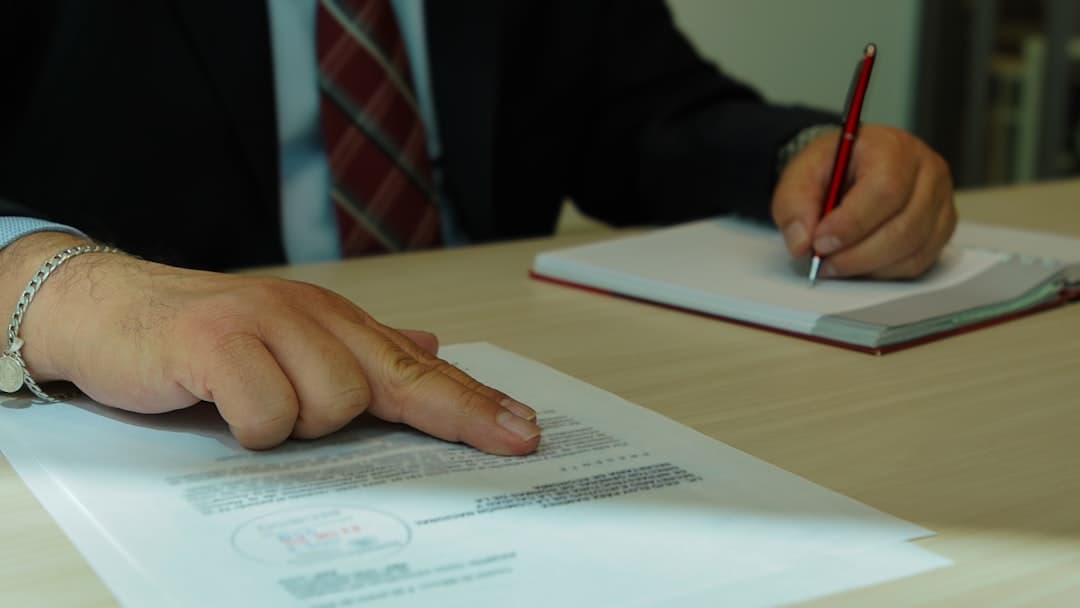
A profession where evidence is paramount
Law firms handle documents with high evidential value on a daily basis: fee agreements, mandates ad litem, settlement protocols, attorney documents. Electronic signature brings greater rigour than paper — timestamped traceability, cryptographic hash, long-term archiving.
Documents signed by lawyers
- Fee agreement (mandatory for certain matters)
- Mandate ad litem (power of attorney to represent in court)
- Settlement protocol (transaction)
- Electronic attorney document (specific procedure)
- Collaboration agreements (between lawyers or with associates)
- Partnership deed (firm creation, joint practice companies)
- Official correspondence (engagement letter, certified legal opinion)
Recommended level
Advanced signature (AES) covers the majority of documents. For electronic attorney documents (reinforced evidence regime under Civil Code article 1374), qualified signature (QES) is recommended.
Benefits for the firm
- Faster case handling: fee agreements signed within minutes
- Enhanced evidence for litigation (auditable trail)
- Remote signing: the client signs from anywhere
- Centralised file: integration with legal software (Secib, Néo, Septeo)
CNB ethics
The National Bar Council fully recognises electronic signature for fee agreements. The National Internal Regulations (RIN) impose no paper requirement.
Important: confidentiality of attorney-client correspondence remains protected by professional privilege. Verify that the platform encrypts documents in transit and at rest.
Common mistakes
- Using SES for a high-stakes fee agreement
- Storing documents on a US cloud (Cloud Act issue)
- Failing to activate encryption at rest for correspondence
- Overlooking long-term retention (30 years for client files)
Real-world example: fee agreement
A firm of 8 lawyers handles 40 new cases per month. New workflow:
- Initial client meeting (video or in-person)
- Fee agreement sent in AES immediately after
- Client signs before leaving the waiting room
- File opened in Secib with agreement archived
Rate of "cases stalled due to unsigned agreement": down from 15% to 0.
How Certyneo helps you
Certyneo offers a solution for law firms: templates for fee agreements, mandates, protocols, advanced signature by default, 100% EU hosting (Germany) with no transfers outside the EU, TLS 1.3 encryption, 10-year archiving (extensible).
Discover Certyneo's electronic signature solution
FAQ
Is the electronic attorney document recognised?
Yes, under Civil Code article 1374. QES recommended to maximise evidential value.
Is professional privilege preserved?
If the platform encrypts in transit and at rest and is hosted in the EU: yes.
Can a client refuse electronic signature?
Yes, provide a paper fallback process.
Can a fee agreement be withdrawn?
As with its paper equivalent, according to standard rules (article L121-21 Consumer Code for individuals).
How long should a client file be retained?
CNB recommendation: 30 years for files, 10 years minimum for correspondence.
Conclusion
Electronic signature is a lever for productivity and rigour in law firms. Cryptographic traceability far exceeds what paper offers, at marginal cost.
Try Certyneo to send, sign and track your documents online easily, quickly and securely.
Try Certyneo for free
Send your first signature envelope in less than 5 minutes. 5 envelopes/mo for 14 days, then 2/mo, no credit card required.
Go deeper into this topic
Reference articles on this topic.
Go deeper into this topic
Our comprehensive guides to master electronic signatures.
Certyneo Community
A question about electronic signatures?
Join the Certyneo community: ask your questions, share your answers and connect with thousands of users and our team.
Continue reading about Business
Deepen your knowledge with these related articles.

Delegation of Powers: Electronic Signature in Business
Delegation of powers is an essential legal tool for any business. Electronic signature and eIDAS compliance: master every step.

Payment transfer mandates: secure them with electronic signature
Payment transfer fraud costs European businesses billions every year. Discover how electronic signature and strong authentication transform your payment mandates into tamper-proof documents.
AML Compliance and Electronic Signature in Finance: 2026 Guide
Anti-money laundering regulations impose strict requirements on financial actors, and electronic signature plays a central role in identity verification and traceability. Discover how to align AML compliance and electronic signature in 2026.