Accounting Depreciation: Legal Methods and Practices
Straight-line or declining depreciation? Legal timeframes, components, allowance for depreciation and tax impact on your corporation tax.
Certyneo Team
Editor — Certyneo · About Certyneo
Introduction
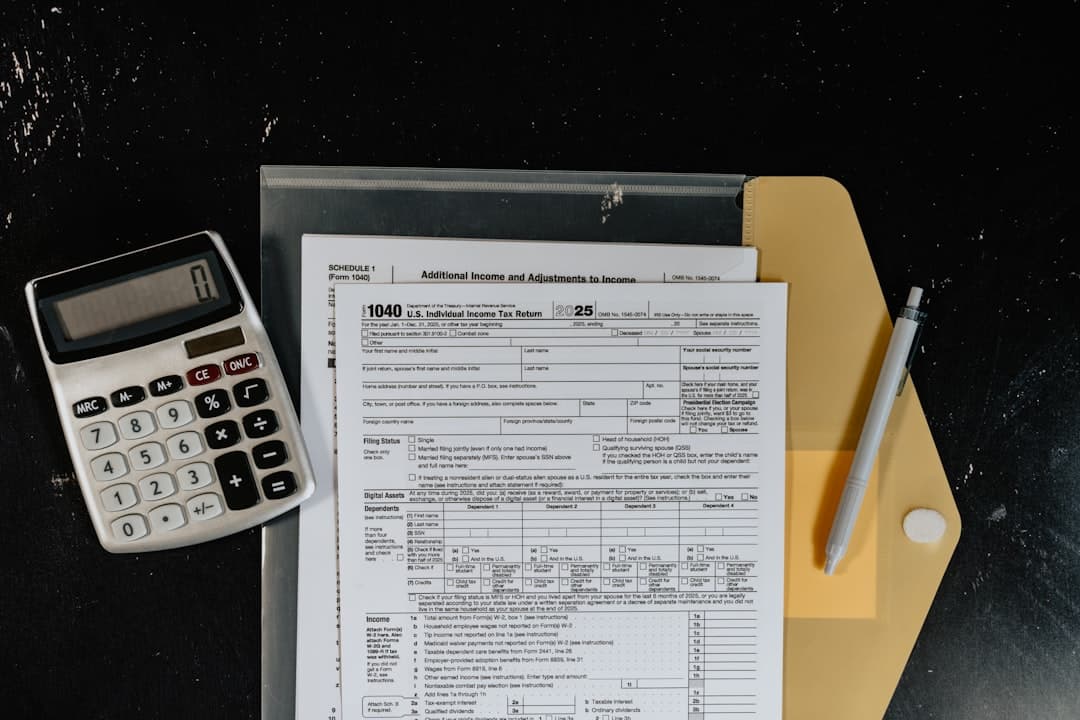
Accounting depreciation constitutes a fundamental pillar of business accounting, enabling the progressive recognition of the depreciation of fixed assets. Governed by the General Accounting Plan (PCG) and the General Tax Code (CGI), it directly impacts taxable profit and asset valuation. Mastering the legal depreciation methods enables businesses to optimise their financial management whilst complying with regulatory obligations. This article presents the main methods authorised in France, their conditions of application, and the assets covered by each approach.
The legal framework for depreciation in France
Depreciation is defined by article 322-1 of the PCG as "the systematic distribution of the depreciable amount of an asset over its useful life". Article 39-1-2° of the CGI governs the tax deductibility of depreciation, requiring that they be "actually incurred" and recorded in accounts. Regulation ANC n°2014-03 specifies the application arrangements, notably for the component approach mandatory since 2005. Any business subject to accounting obligations must therefore depreciate its tangible and intangible fixed assets whose useful life is determinable.
Straight-line depreciation: the reference method
Straight-line depreciation is the default and most widely used method. It consists of uniformly distributing the cost of an asset over its useful life. The calculation is performed by applying a constant rate to the original value of the asset. For example, for equipment costing £10,000 depreciable over 5 years, the annual allowance amounts to £2,000 (rate of 20%). This method applies to virtually all assets and respects the accounting prudence principle. For the first year, depreciation is calculated pro rata temporis, from the date the asset is brought into use.
Declining depreciation: accelerating tax deduction
Authorised by article 39 A of the CGI, declining depreciation allows the depreciation to be accelerated in the early years. Reserved for certain new assets with a minimum useful life of 3 years (industrial equipment, IT equipment, commercial vehicles), it applies a multiplier coefficient to the straight-line rate: 1.25 (3-4 years), 1.75 (5-6 years), 2.25 (more than 6 years). This method offers a substantial cash flow advantage by deferring corporation tax. Note: passenger vehicles, buildings and second-hand assets are excluded from this scheme.
Variable depreciation and units of output
Less well known, variable depreciation calculates the allowance based on the actual use of the asset (machine hours, kilometres travelled, units produced). This method, provided for by the PCG, is particularly suited to equipment whose wear depends directly on activity. However, it requires rigorous monitoring and reliable estimation of the total use potential. The component approach, mandatory for significant fixed assets (regulation CRC 2002-10), requires an asset to be divided into separate elements with different useful lives, such as a roof or boiler in a building.
Depreciable and non-depreciable assets
Depreciable assets include: buildings (20-50 years), industrial equipment (5-10 years), vehicles (4-5 years), furniture (10 years), software (1-3 years), patents (duration of protection). Non-depreciable assets include: land, goodwill (except for special provisions since 2022 for SMEs), works of art, and financial fixed assets. This distinction is crucial for properly preparing the depreciation schedule attached to the annual accounts.
Conclusion
Choosing the right depreciation method requires balancing accounting requirements, tax optimisation and the economic reality of the assets. A well-considered strategy can generate significant tax savings whilst accurately reflecting asset depreciation. Support from an accountant remains essential to choose between the various legal options.
Try Certyneo for free
Send your first signature envelope in less than 5 minutes. 5 free envelopes per month, no credit card required.
Go deeper
Reference articles on this topic.
Related Certyneo tools
Move from reading to action with the tools built into the platform.
Go deeper
Our comprehensive guides to master electronic signature.
Recommended articles
Deepen your knowledge with these related articles.
Electronic signature in the public sector: 2026 guide
Since 2020, electronic signature has been mandatory in public procurement above certain thresholds. Discover the rules, required levels and how to bring your administration into compliance.
Electronic Signature for Local Government Bodies in Australia
Local government bodies are accelerating their digital transformation. Discover how electronic signature secures your contracts, reduces timescales and complies with the European legal framework.
Electronic signature for law firms in 2026
Digital signature transforms legal practice in 2026. Discover legal obligations, required eIDAS levels and best practices for lawyers.